
ATHLETE SUPPORT MATERIALS FOR RACE DIRECTORS
"Ready-Made Tools To Elevate The Athlete Experience"
Race day performance is built in training. The weeks and months before your event are where fitness is developed, race strategy is tested, and confidence is earned. Whether you're preparing for your first sprint triathlon or targeting a personal best, structured preparation across all three disciplines — combined with smart recovery, periodization, and mental rehearsal — sets the foundation for everything that follows. The resources in this section help you train with purpose, peak at the right time, and arrive at the start line ready.
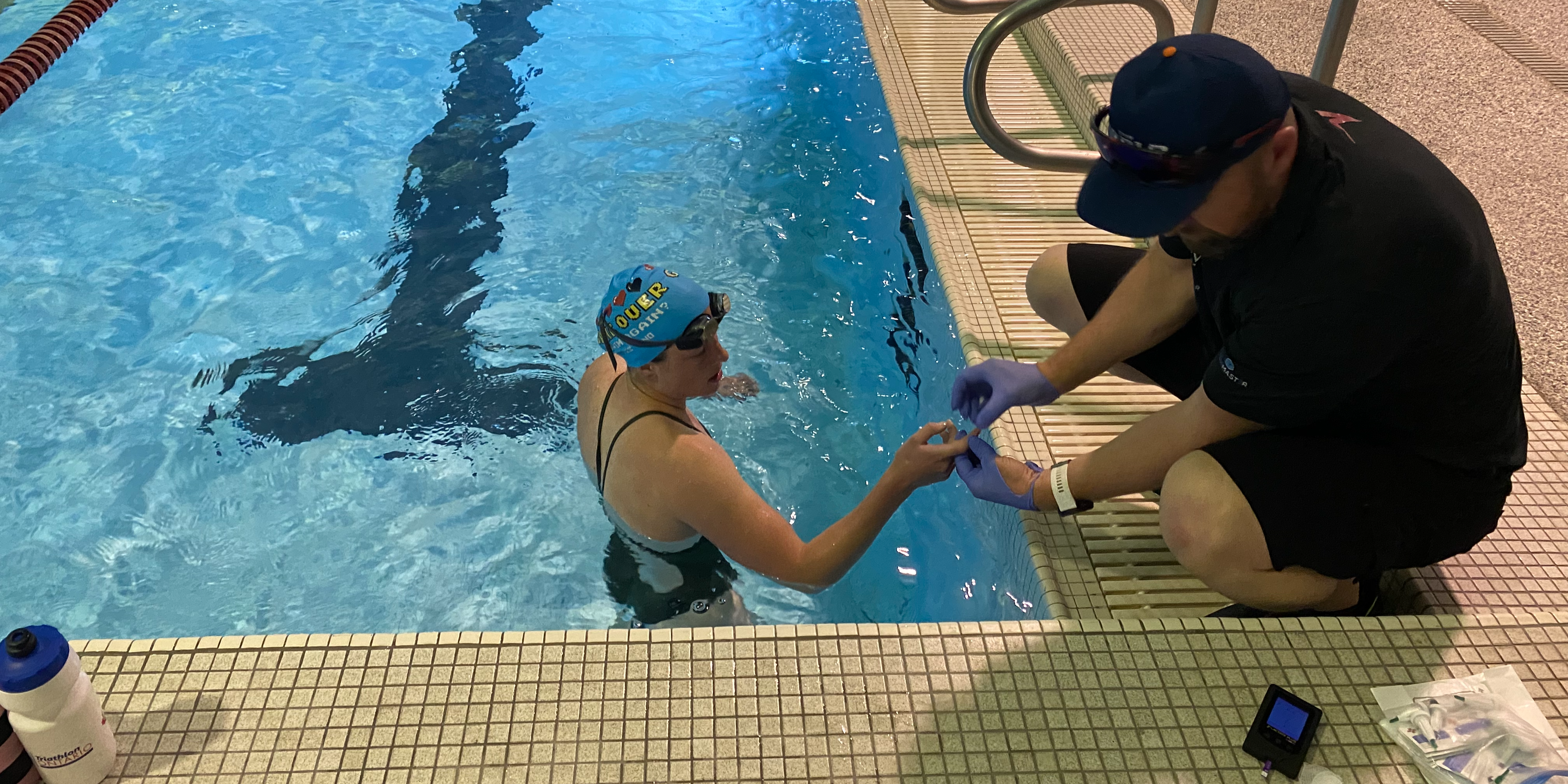
Race morning can feel overwhelming — gear to organize, logistics to navigate, nerves to manage. A structured pre-race routine transforms that chaos into confidence. From transition setup to warm-up protocols, timing chip placement to athlete check-in, race morning success comes down to preparation and process. The resources in this section walk you through everything you need to execute a calm, focused, and organized race morning — so you can save your energy for the course.
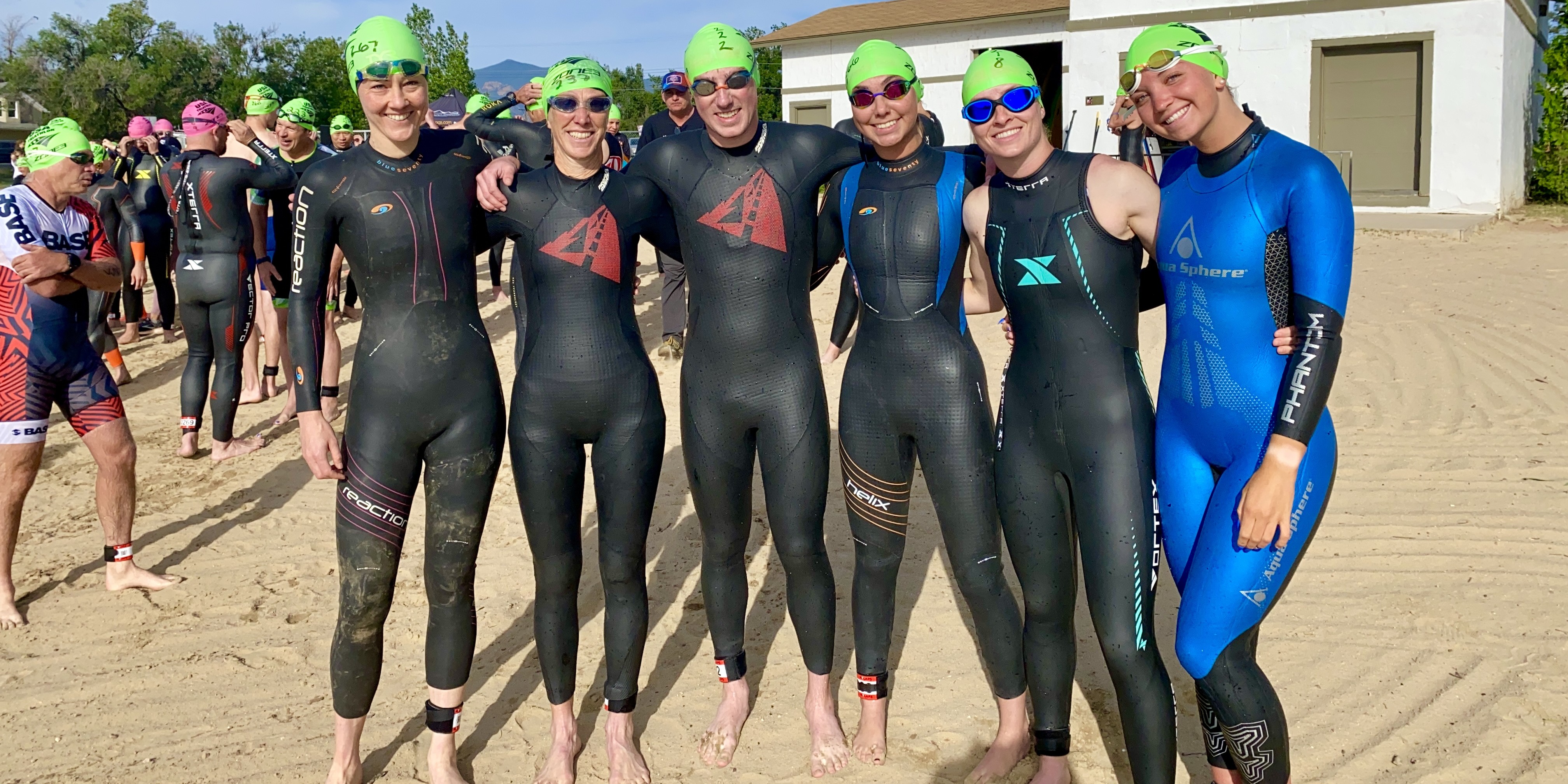
The swim sets the tone for the entire race. Managing open water anxiety, executing an efficient start, sighting effectively, and conserving energy for the disciplines ahead all require specific skills and deliberate practice. Whether you're a confident swimmer or the water is your biggest challenge, strong swim preparation pays dividends well beyond T1. The resources in this section cover open water technique, race-day swim strategy, safety awareness, and everything you need to exit the water in control and ready to race.
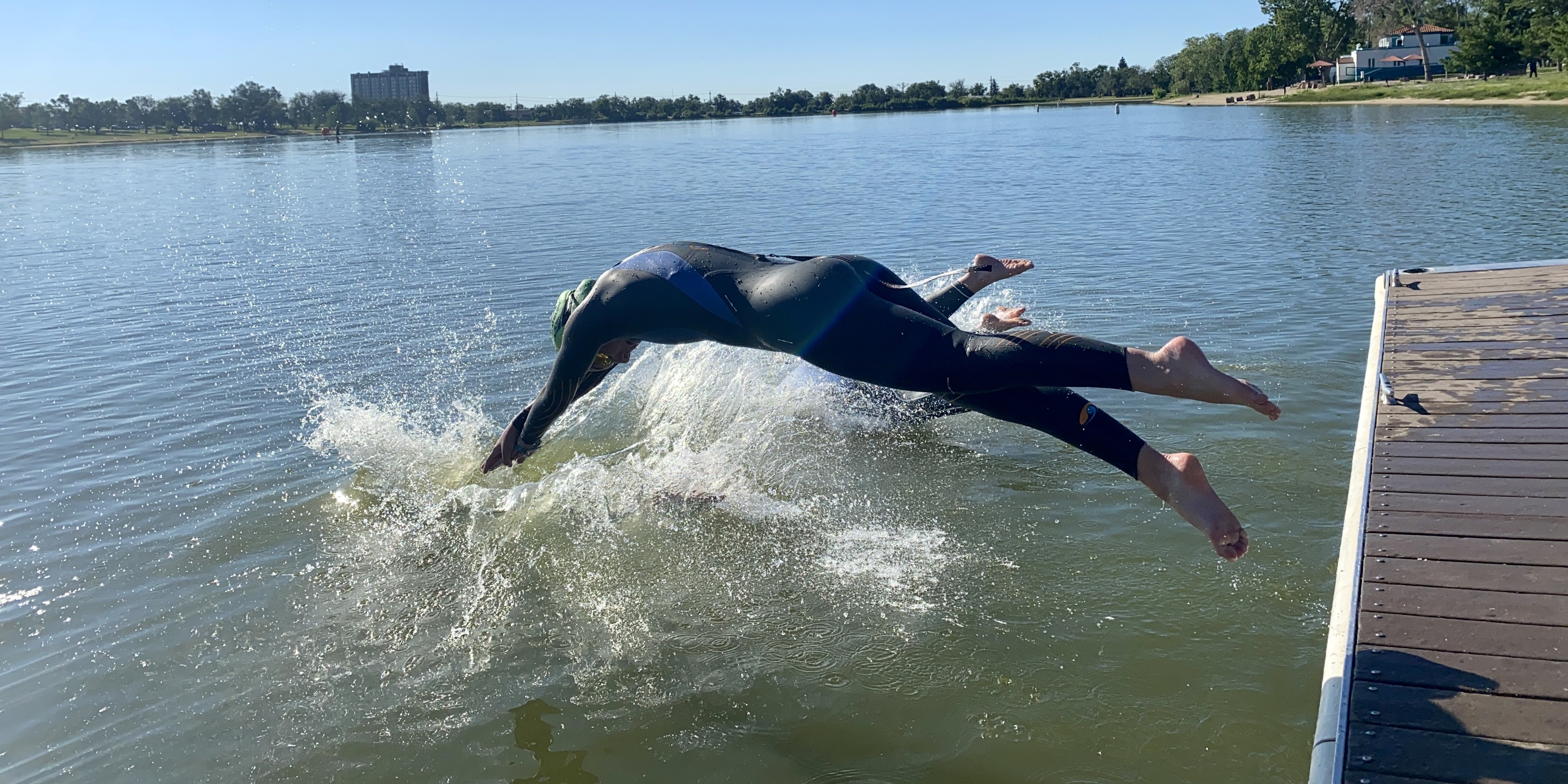
T1 is the bridge between the swim and the bike — and for many athletes, it’s where time and momentum are lost unnecessarily. A practiced, efficient T1 routine can save minutes without any additional fitness required. From wetsuit removal to helmet buckles, knowing your transition zone layout and executing a rehearsed sequence under pressure is a skill in itself. The resources in this section cover transition setup, T1 technique, common mistakes to avoid, and strategies for moving through the swim-to-bike exchange with speed and composure.
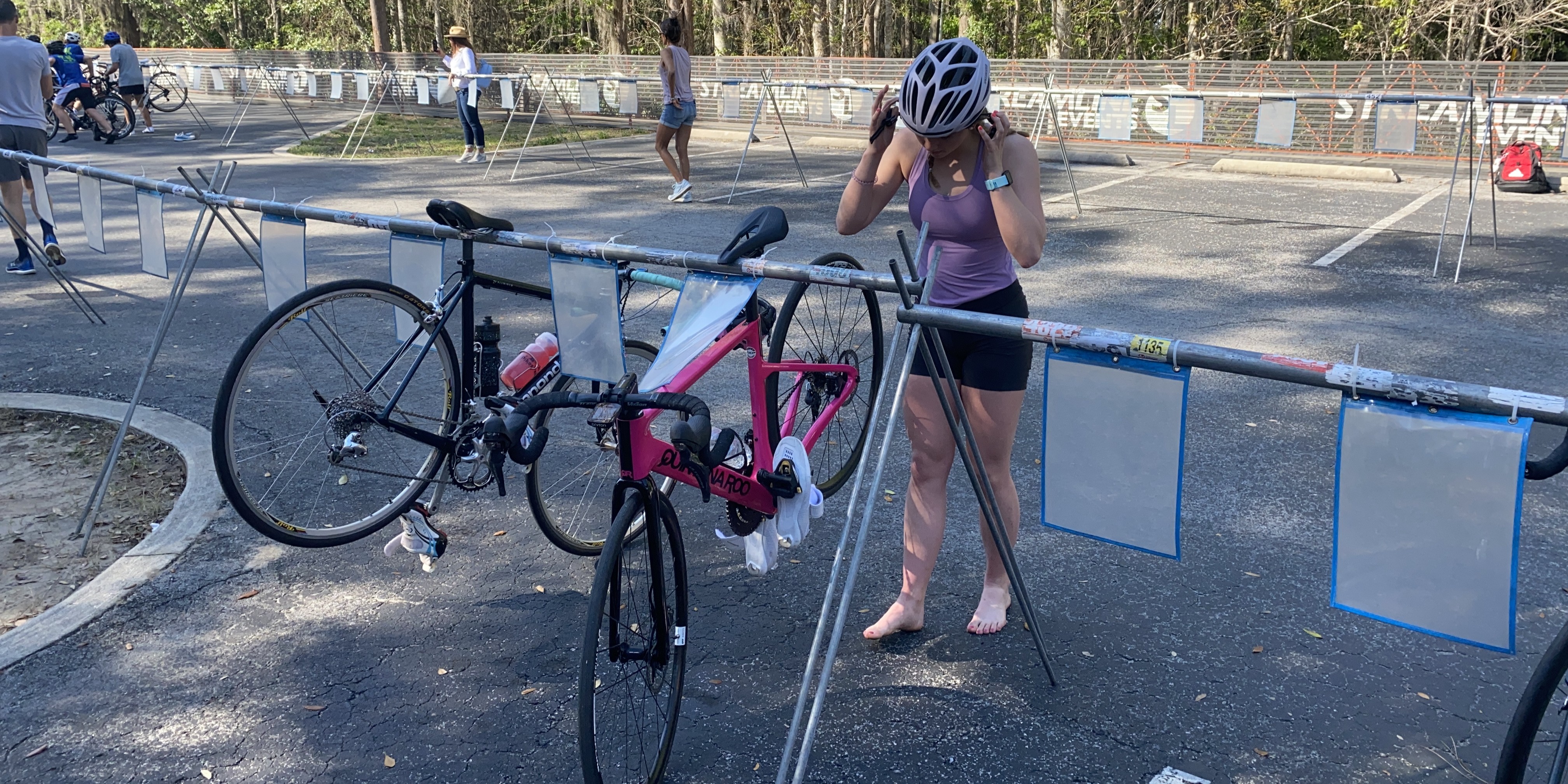
The bike leg is the longest portion of most triathlons and the place where races are often won or lost. Pacing, positioning, nutrition intake, and technical skill all come into play across miles of varied terrain. Riding within yourself early, staying aero, managing wind and elevation, and arriving at T2 with legs ready to run requires both fitness and tactical awareness. The resources in this section address cycling technique, race-day pacing strategy, bike handling, and how to maximize your performance on two wheels.
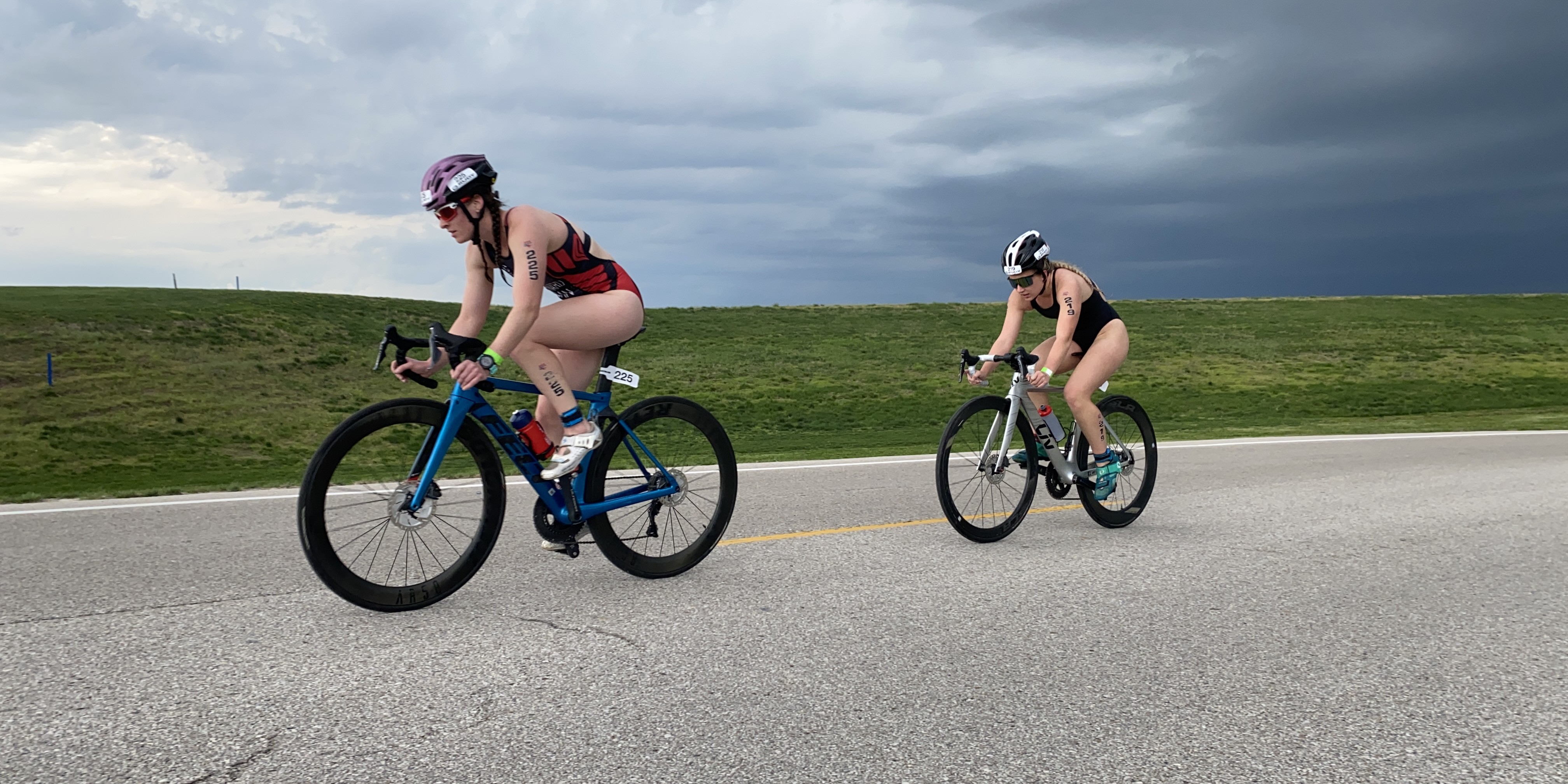
T2 is deceptively important. After a long ride, your legs face an abrupt shift from cycling to running mechanics — and how you manage that transition affects everything from your first mile to your finish. A fast, practiced T2 combined with a smart run-out strategy can unlock significant time gains. The resources in this section cover T2 setup and execution, the discipline of running off the bike, managing the bike-to-run feeling, and how to exit transition with confidence and control.
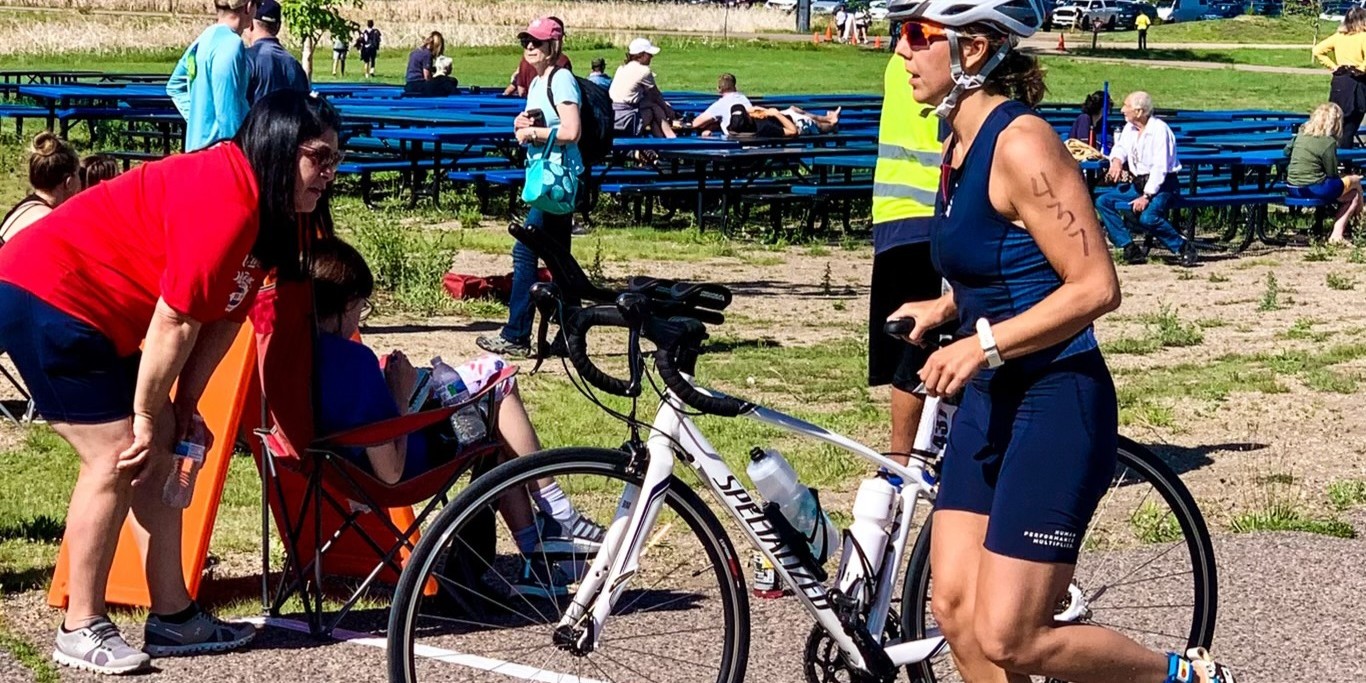
The run is where the race is finished — and where mental fortitude matters most. After swimming and cycling, running on fatigued legs requires practiced pacing, smart fueling execution, and a strong mental game. Whether your goal is to hold a target pace or simply cross the finish line strong, the final leg of a triathlon demands its own preparation and strategy. The resources in this section cover run training for triathletes, race-day pacing, managing fatigue, and finishing your race the way you trained to.
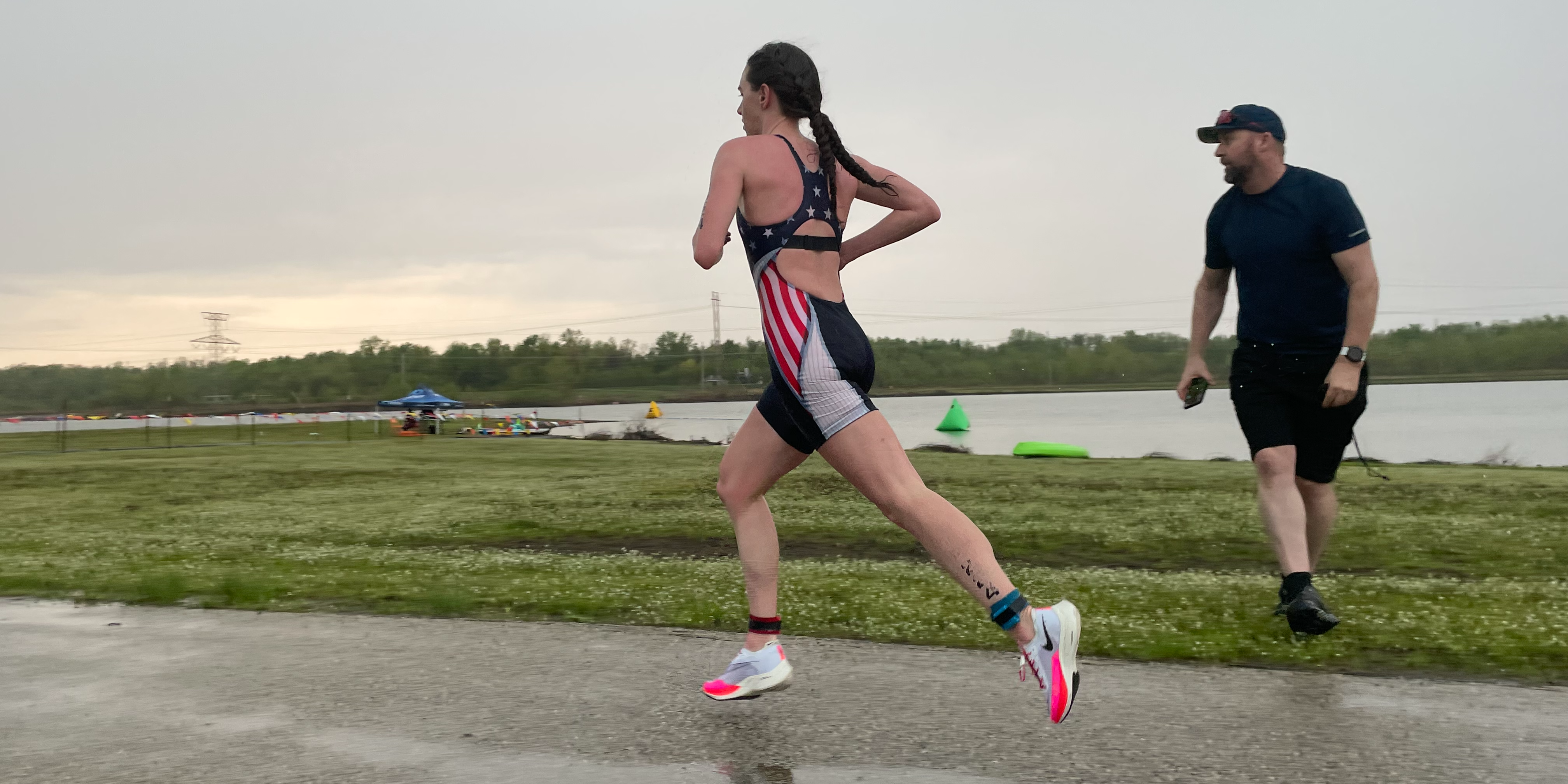
Fueling and hydration are performance variables as controllable as fitness — yet nutrition mistakes remain among the most common causes of DNFs and disappointing finishes. What you eat and drink in the days before, the morning of, and throughout the race directly impacts your energy, focus, and recovery. There is no single perfect nutrition plan, but there are proven principles every triathlete should understand. The resources in this section cover race nutrition fundamentals, hydration strategy, on-course fueling, and how to dial in your personal plan through training and smart experimentation.

The right equipment makes racing safer, more comfortable, and more efficient — but gear decisions can quickly become overwhelming and expensive if not approached with clarity. From wetsuits to helmets, race wheels to running shoes, understanding what you actually need versus what is simply nice to have helps athletes at every level make informed choices. The resources in this section cover essential triathlon gear, what to look for when selecting equipment, legal requirements and race regulations, and how to make smart investments in your kit.
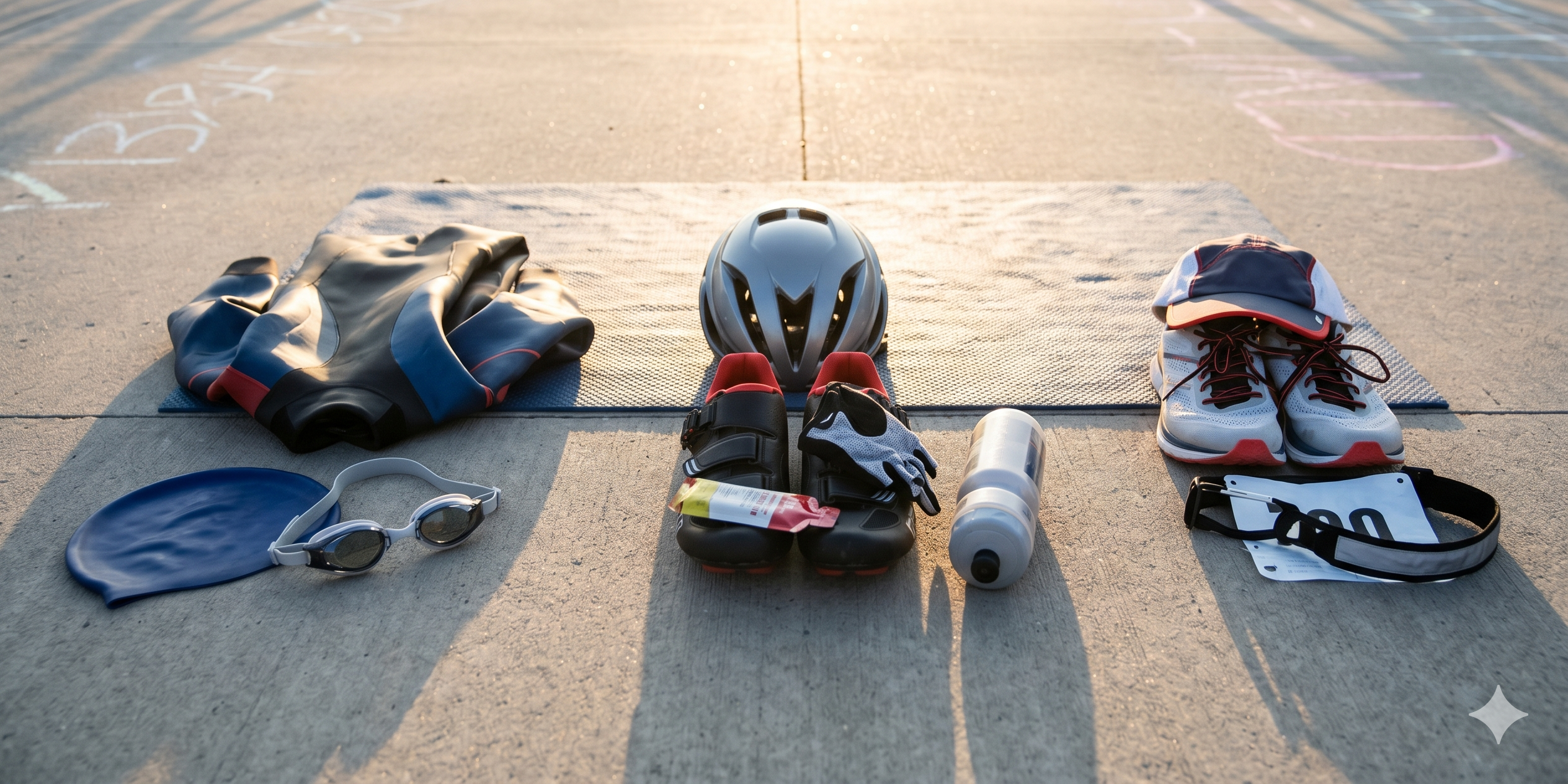
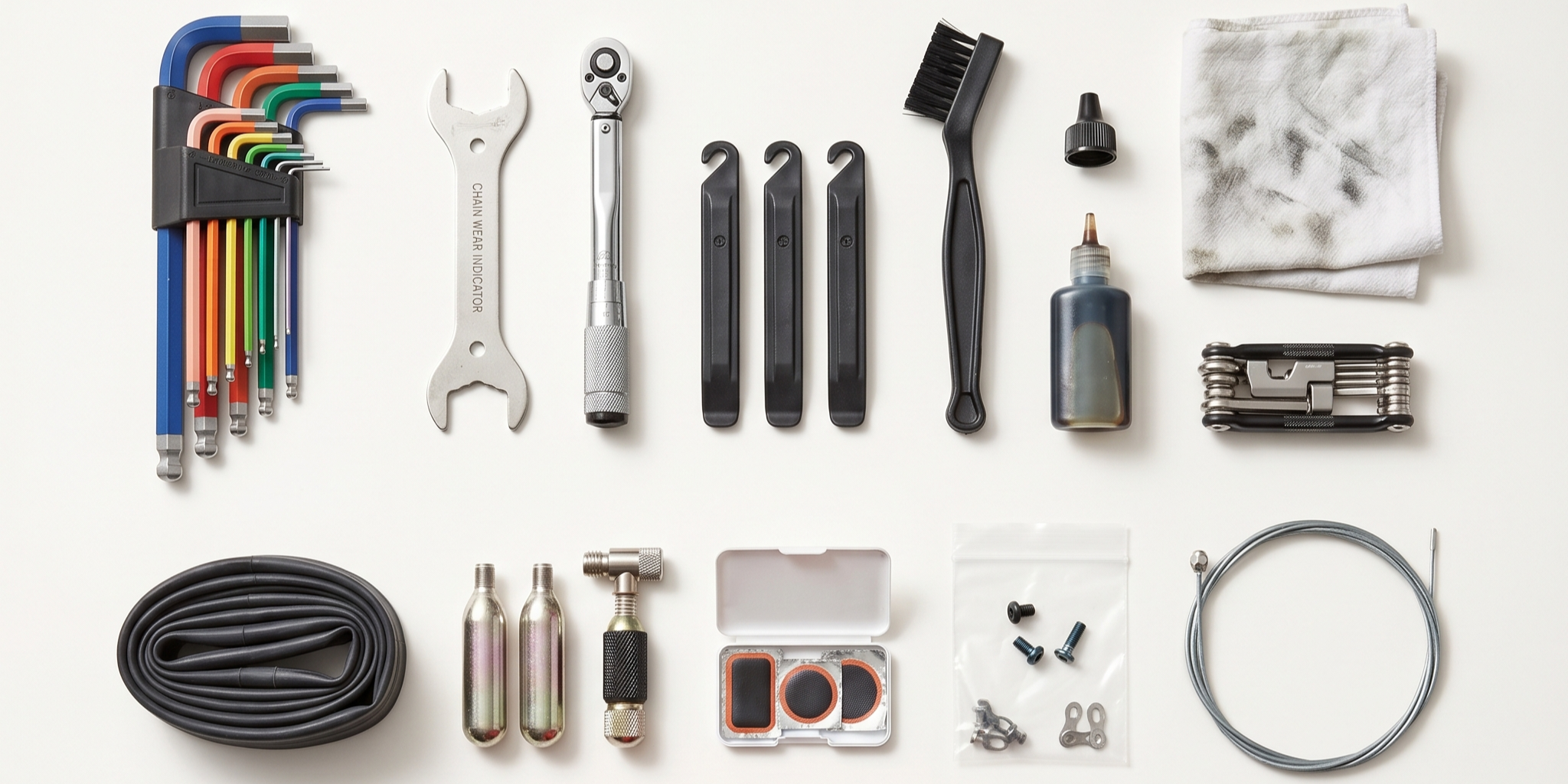
A mechanical issue on race day can derail months of preparation — and many common problems are entirely preventable with proper maintenance and pre-race inspection. Understanding how your bike works, keeping it tuned and road-ready, and knowing how to handle basic repairs in the field are skills every triathlete should develop. Beyond mechanics, riding safely in race conditions — including drafting rules, descent technique, and collision avoidance — protects both your finish time and your fellow competitors. The resources in this section cover essential bike maintenance, pre-race inspection checklists, on-course repair basics, and safe cycling practices.

Most triathlon deaths have a cardiovascular component, and the underlying problems often go undetected. This module covers why a full physical with your doctor should come before heavy training or racing, which personal and family history and risk factors to discuss, the symptoms that mean stop and get checked, and how to make an honest race morning decision.