
Race Director Hub
Everything you need to plan, manage, and elevate your triathlon events — from operational resources to athlete-facing materials and ready-to-use downloads.
 Operations
Race Director Event Resources
Comprehensive guides, best practices, and operational tools to help you plan and execute outstanding triathlon events from start to finish.
Explore Resources Athlete Support
Athlete Support Materials for Race Directors
Ready-made resources and communications you can provide to athletes — from pre-race guides and safety information to post-event engagement tools.
View Materials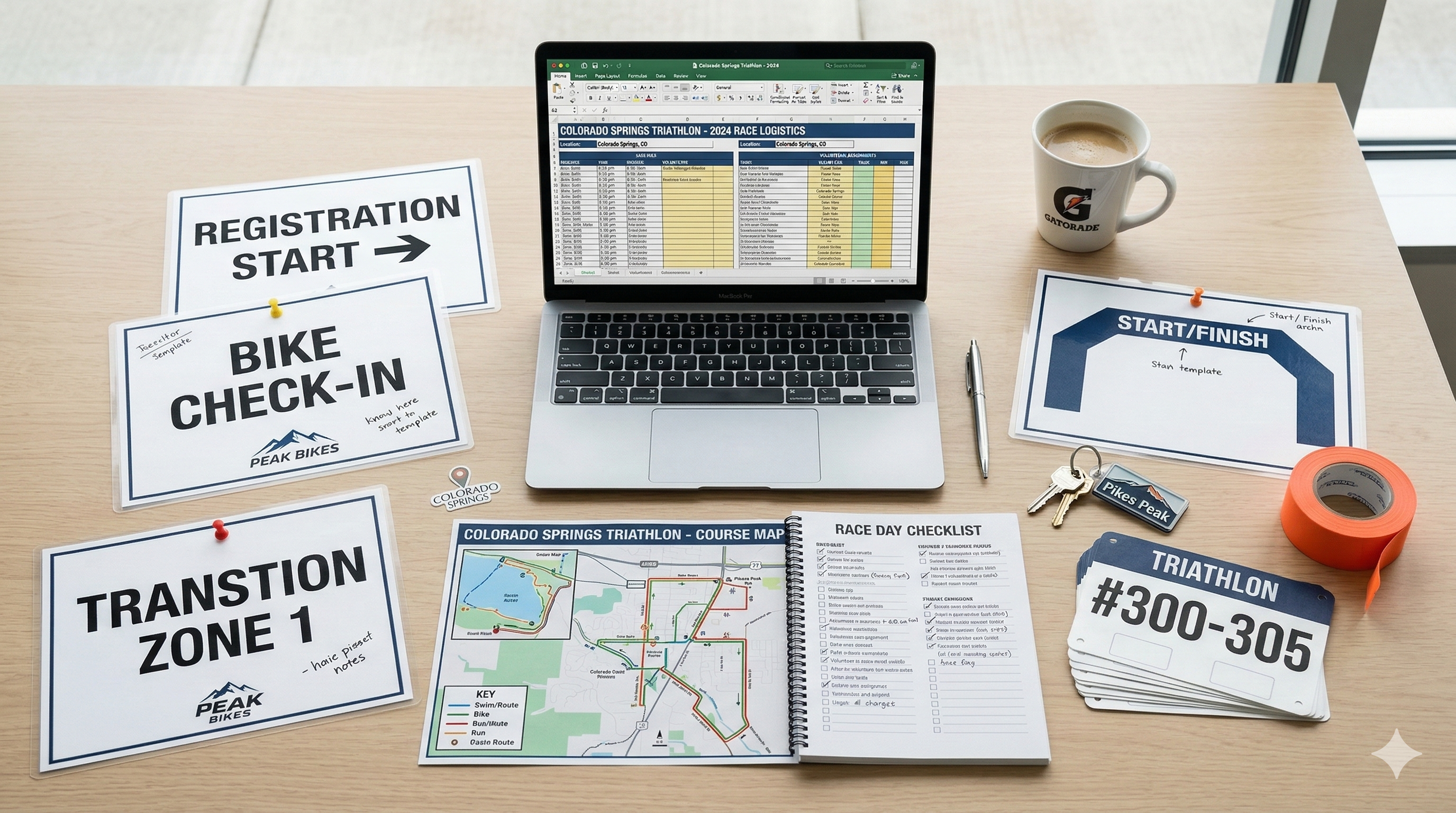 Downloads
Downloadable Safety & Event Resources
Templates, checklists, signage, and printable documents you can download and customize for your event — ready when you need them.
Get Downloads
USA Triathlon Coach Certification Pathway
Hover over a level to see the continuing education and specialization options available at that stage.

Pre-Participation Medical Screening
Summary
Most triathlon deaths have a cardiovascular component, and the underlying problems often go undetected. This module covers why a full physical with your doctor should come before heavy training or racing, which personal and family history and risk factors to discuss, the symptoms that mean stop and get checked, and how to make an honest race morning decision.
Key Points
- Get a full physical and clearance from your doctor before starting heavy training or racing, even if you feel fine.
- Share your personal history with your doctor, including murmurs, arrhythmias and high blood pressure, since these are known trigger points.
- Flag family history, like a relative who died around age 50, and risk factors such as smoking, diabetes or age over 40.
- Never race sick, since recent illness can inflame the heart and there will always be another race.
- Stop and get checked for chest pain or tightness with exertion, fainting, dizziness, palpitations, unusual breathlessness or a sudden performance drop.
- Reassess honestly on race morning, choose not to start if unwell, and tell a partner your medical history and plan.